Branding has become more personal — and more complex — than ever before. Founder-led businesses, social media visibility, podcasts, and personality-driven platforms have blurred the line between who a business is and who runs it. This shift has left many small business owners asking an important question: should they invest more in personal branding or business branding?
The truth is, both matter — but not in the same way for every business. The key is understanding how to leverage each intentionally, without creating long-term limitations.
What Personal Branding Really Means Today
Personal branding is no longer limited to influencers or public speakers. It’s often how business owners and leaders show up online as experts, educators, and decision-makers.
Personal branding typically includes:
- Founder-led content on LinkedIn or Instagram
- Educational posts sharing experience and perspective
- Videos or blogs that show the “why” behind the business
- Thought leadership within an industry or community
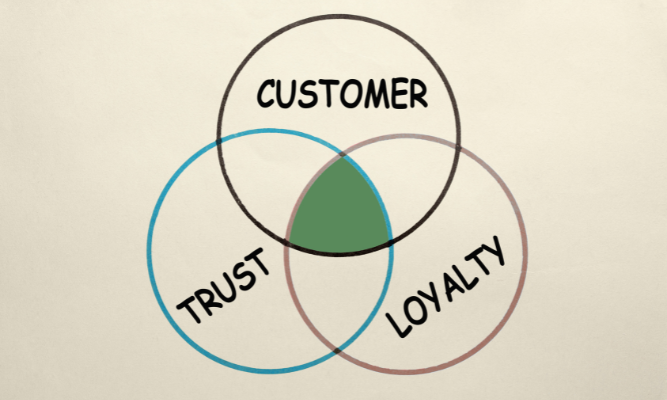
Personal branding builds familiarity and accelerates trust. People are far more likely to engage with a face than a logo — especially inservice-based industries.
Why Personal Branding Is So Effective
Consumers today are cautious. They research before buying, compare options, and look for credibility signals. Seeing a real person behind a business creates reassurance.
Strong personal branding:
- Humanizes the business
- Builds trust faster than traditional advertising
- Differentiates similar services in crowded markets
In a digital landscape filled with AI-generated content, personality and perspective stand out.
The Limitations of Personal Branding Alone
While personal branding is powerful, relying on it exclusively can create challenges as your business grows.
Common risks include:
- The brand becoming inseparable from one individual
- Difficulty scaling or delegating authority
- Burnout from constant visibility and content creation
- Reduced business value if ownership changes
If all trust and recognition live with one person, the business itself can struggle to stand on its own.
The Role of Business Branding in Long-Term Growth
Business branding provides structure, consistency, and scalability. It’s how customers experience your company beyond a single interaction.
Business branding includes:
- Visual identity and messaging
- Website experience and tone
- Customer service and processes
- Company values and reputation
Strong business branding ensures consistency regardless of who is speaking or posting. It also allows your company to grow beyond the founder.
Why Business Branding Still Matters
Even in a personality-driven era, business branding is essential for credibility. Customers want reassurance that a company is reliable, professional, and stable.
Business branding:
- Builds confidence for long-term relationships
- Supports team growth and delegation
- Makes the business more resilient and transferable
A recognizable brand identity helps customers trust the company — not just the individual behind it.
So Which Matters More? The Real Answer
The strongest brands don’t choose between personal and business branding — they align them.
Personal branding builds connection. Business branding builds trust and scale.
For founder-led businesses, this often looks like:
- Using the founder’s voice to introduce the brand
- Aligning personal values with company messaging
- Gradually shifting visibility to the brand as the business matures
The goal is balance, not dependence.
How to Find the Right Balance for Your Business
Ask yourself:
- Does my audience buy me or my company?
- Do I plan to scale, sell, or step back in the future?
- Where does trust currently live — with the brand or the individual?
Your answers will guide how heavily you invest in each strategy.
Building a Brand That Grows With You
Personal branding can open doors, but business branding keeps them open. Sustainable growth comes from intentionally blending both —allowing the business to benefit from human connection without being limited by it.
At ABM Marketing, we help businesses build brands that are authentic, scalable, and future-ready. If you’re navigating this balance, we’re here to help you do it strategically.