Marketing has always been about influence — but as we move deeper into 2026, trust has become the true currency. Consumers are bombarded with ads, sponsored content, AI-generated messaging, and endless choices. As a result, people are no longer impressed by flashy promises or clever slogans. They’re looking for credibility, consistency, and proof.
For small businesses, this shift presents a powerful opportunity. While large brands may have bigger budgets, trust is something any business can earn — and often more authentically. Businesses that prioritize transparency, authenticity, and connection are seeing stronger relationships, higher conversions, and long-term loyalty.
Here’s why trust matters more than ever — and how to intentionally build it online through reviews, testimonials, transparency, and a consistent brand voice.
Why Trust Has Become a Deciding Factor in 2026
Today’s consumers do their homework. Before making a purchase or booking a service, they compare options, read reviews, explore websites, and pay close attention to how businesses communicate.
Trust reduces friction. When people feel confident in a brand, they:
- Make decisions faster
- Feel more comfortable committing
- Are less price-sensitive
- Are more likely to return and refer
In a competitive digital landscape, trust isn’t just a conversion tool — it’s a differentiator. Businesses that earn trust stand out in crowded markets and remain resilient even when algorithms or platforms change.
Reviews: The Foundation of Digital Trust
Online reviews are often the first impression a potential customer has of your business. They influence purchasing decisions, local SEO rankings, and overall credibility.
To build trust through reviews:
- Ask consistently — not just after flawless experiences
- Make it easy by providing direct review links
- Respond to every review professionally and thoughtfully
Negative reviews, when handled well, can actually strengthen trust. A calm, respectful response shows accountability and professionalism — qualities customers value.
In 2026, review freshness and authenticity matter more than ever. A steady stream of recent, detailed reviews signals reliability and relevance to both customers and search engines.
Testimonials Provide Depth and Reassurance
While reviews offer quantity, testimonials offer quality. They allow you to tell deeper stories about real customer experiences.
Effective testimonials:
- Highlight specific outcomes or improvements
- Reflect your ideal customer’s perspective
- Feel conversational and genuine
Video testimonials, when possible, add an extra layer of credibility. Seeing and hearing real customers builds emotional connection and reassures prospective clients that your business delivers on its promises.
Testimonials should be featured prominently — on your website, landing pages, and even social media — reinforcing trust at every stage of the buyer journey.
Transparency Builds Confidence and Reduces Friction
Transparency is one of the most overlooked trust-building tools in marketing. Customers don’t expect perfection — they expect honesty.
Transparency includes:
- Clearly explaining services and pricing
- Setting realistic timelines and expectations
- Being upfront about limitations or processes
When businesses communicate openly, customers feel respected. Clear information reduces uncertainty, which is often the biggest barrier to conversion.
In 2026, transparency also extends to values. Customers want to know who they’re doing business with and what a brand stands for. Authentic messaging builds confidence and connection.
Brand Voice Creates Familiarity and Recognition
Trust is reinforced through consistency, and brand voice plays a critical role. When your messaging sounds human, clear, and consistent across platforms, customers know what to expect.
A trustworthy brand voice is:
- Conversational rather than sales-heavy
- Consistent across website, social media, and email
- Focused on education and support, not pressure
Your brand voice is part of your reputation. When customers feel like they “know” your business, trust naturally follows.
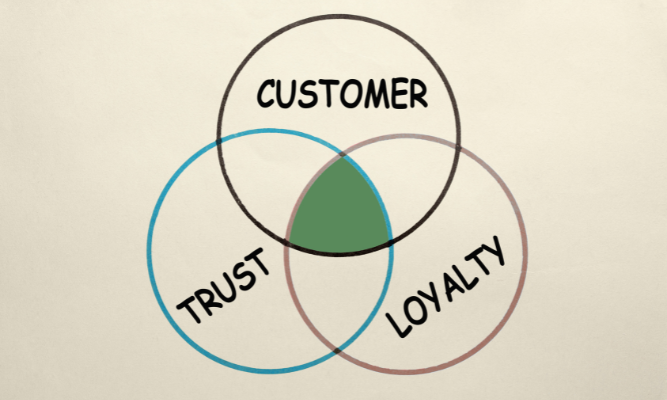
Consistency Turns Trust into Loyalty
Trust isn’t built in a single interaction — it’s built overtime. Every touchpoint reinforces (or erodes) confidence in your brand.
This includes:
- Showing up consistently online
- Following through on promises
- Responding promptly to questions or concerns
- Delivering a reliable experience every time
Consistency builds familiarity, and familiarity builds trust. Businesses that show up reliably earn loyalty even in competitive markets.
Trust Signals Across the Entire Customer Journey
Trust should be present at every stage of the customer journey — from discovery to conversion to retention.
This means:
- Clear messaging on your website
- Honest social media communication
- Thoughtful follow-ups after purchases or appointments
- Ongoing engagement through email or content
Trust doesn’t stop after the sale. In fact, post-purchase communication is often where long-term loyalty is built.
Trust Is the Advantage You Can Control
Algorithms will change. Platforms will evolve. Trends will come and go. But trust remains constant.
By prioritizing reviews, testimonials, transparency, and a consistent brand voice, businesses can build credibility that lasts — regardless of external changes.
At ABM Marketing, we help businesses develop trust-focused marketing strategies that connect with real people and support long-term growth. If you’re ready to make trust your competitive advantage, we’re here to help.